Steel Detailing Connection – Structural Steel Connection Design – Steel Detailing and Connection Design Services
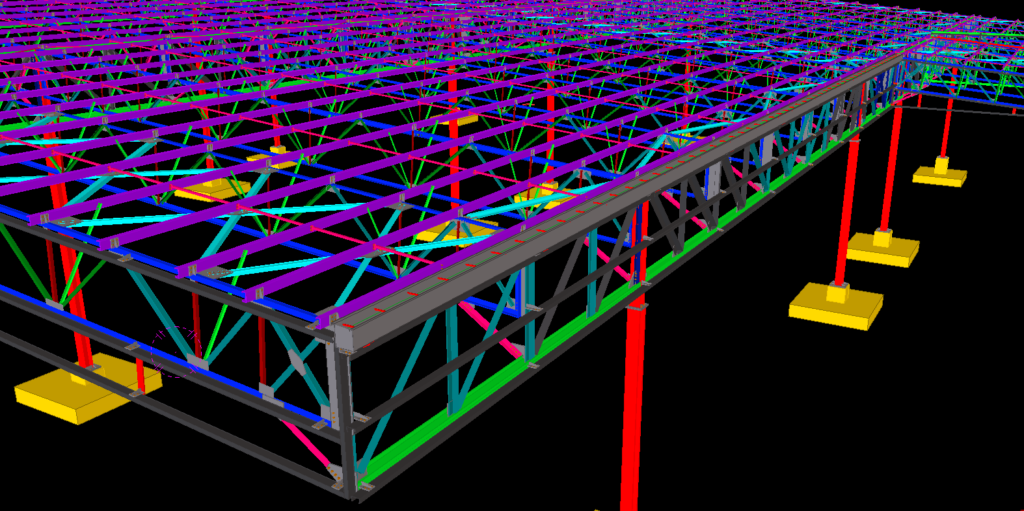
Steel detailing connection design is a crucial aspect of any steel construction project. It involves creating detailed drawings and designs that specify how steel components will be connected to one another. The connection design process ensures that steel structures are structurally sound, meet all necessary safety and building codes, and can withstand the stresses and loads that they will be subjected to over time.
Steel detailing and connection design often go hand in hand. Steel detailing involves creating detailed drawings of all steel components, while connection design focuses specifically on designing the connections between those components. This includes designing the welds, bolts, and other fasteners that will be used to connect the steel components together.
The connection design process involves analysing the loads and stresses that the steel structure will be subjected to, and designing connections that can withstand those loads and stresses. This requires a thorough understanding of structural engineering principles and codes, as well as experience in designing steel structures. under varying design loads and conditions. Mechanical connection design is an iterative process involving changes in geometry, material properties and the application of stress restraints.
The first step is to identify the scope of work for the project, which may include specifying a “load path” for structural loads and designing a mechanical connection that will transfer structural loads from one point to another in accordance with specified specifications. This may involve an analysis of existing bridge decks, beams or columns as well as designing new structures.
For example, if a bridge needs to be redesigned due to load limitations or deterioration of construction materials on the existing deck, then this process could involve design, cost, and procurement of materials. This process will usually involve the following steps: A project manager starts a project by gathering idea and inputs from all stakeholders (or customers) involved in the project. The stakeholders are typically engineers, architects and construction managers.
After gathering input, the project manager will create a conceptual plan to be presented to all parties involved with the goal of clarifying objectives of each stakeholder in terms of design elements, construction methods and timing for completion. The final conceptual plans may include specific details such as materials needed or drawings that have been created to show how a proposed project is to be built.
Specifications: Timeline: Once a formal contract for the project has been signed, it is time to start construction. Most construction projects will have a timeline where the contractor will complete certain tasks in specific order. The timeline may include the following items:-Construction start date and completion date (both DATE and TIME) of each stage of a project. For example, “Construction on stage 1 begins on January 2nd” or “The project will be completed in one year from beginning of construction.” -Estimated cost for each section of work.
By ensuring that steel detailing and connection design are done correctly, construction projects can be completed safely, efficiently, and cost-effectively. Accurate and detailed steel detailing and connection design can help to minimize errors.